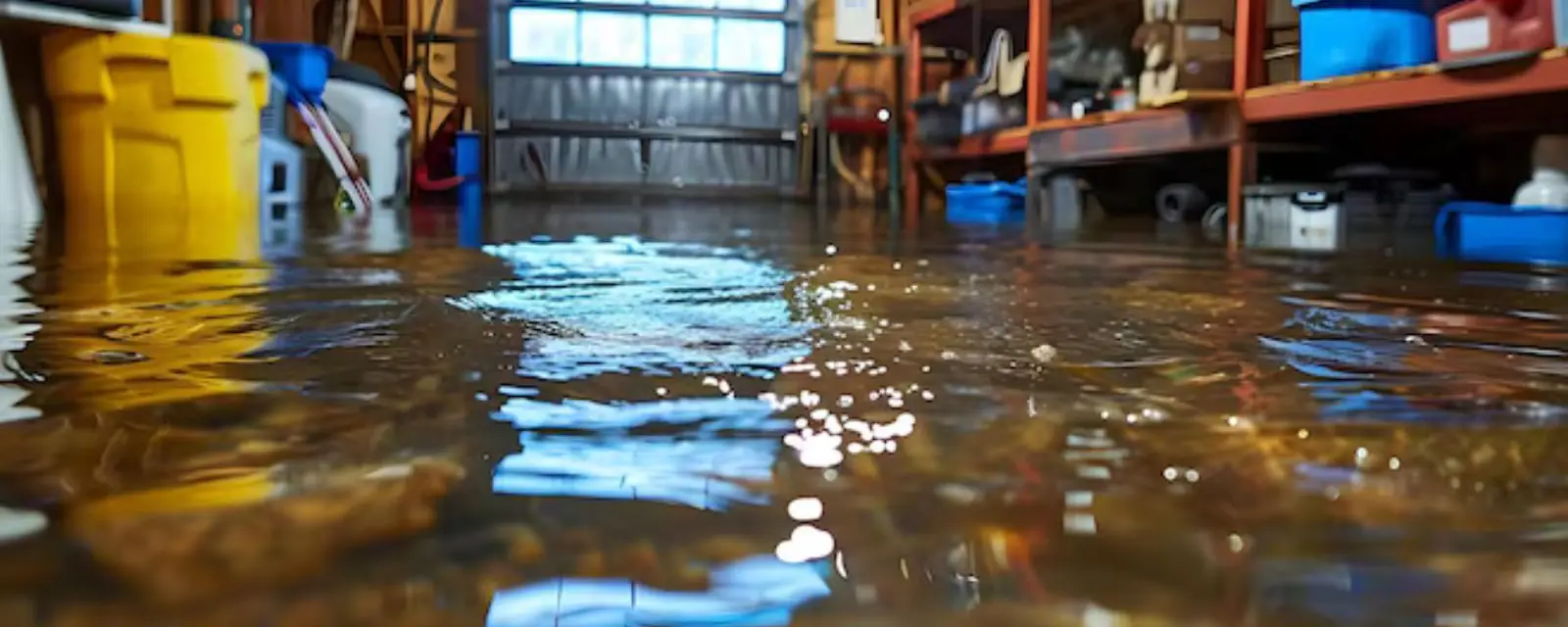
Treat every inch of flood water as contaminated
Flood water cleanup starts with one assumption: the water is dirty. Water that comes in from a creek, a flooded street or a backed-up storm drain has crossed soil, lawns, roads and sometimes sewer lines before it reaches your floor. Industry standard ANSI/IICRC S500 classes that kind of water as Category 3, and Category 2 once it has sat or passed through building materials.
That classification drives everything else. It decides which materials can be dried and kept, which must be cut out, and what the crew wears while working. It also explains why mopping up a flooded room with towels and a box fan rarely finishes the job.
Safety comes before any cleanup
If water has reached outlets, the electrical panel or a gas appliance, call 911 before you call us. Do not wade through standing water in a room with energized wiring, and do not flip breakers while standing in a puddle. Keep children and pets out of the water, since it can carry bacteria and sharp debris.
Once the power company or an electrician has made the house safe, we can dispatch a crew. Our 24/7 line explains scope and price before work starts, and the first thing the crew does on site is check for electrical and slip hazards of its own.
- Call 911 first if you smell gas, see sparks, or water is touching the panel or outlets.
- Leave the house if the water is still rising or you cannot see the floor.
- Wear waterproof boots and gloves if you must enter, and never touch wet electronics that are plugged in.
- Do not run a vacuum, a space heater or a regular fan through wet areas.
- Take photos from the doorway before you move anything.
- Wash hands and any cuts with soap and clean water after contact with the water.
What gets thrown out and what can be saved
Porous materials that soaked up contaminated water usually cannot be made safe again. That list includes carpet and pad, insulation, particleboard cabinets, mattresses, upholstered furniture and the lower section of wet drywall. Hard, nonporous items such as glass, metal and solid plastic can often be washed and sanitized.
Before anything leaves the house, photograph it and keep a short list. The Texas Department of Insurance tells homeowners not to discard damaged items until they have talked to the adjuster, and most standard home policies do not cover flood. Check your policy for flood coverage before you decide how much to remove on your own.
| Material | Usual outcome after contaminated water | Why |
|---|---|---|
| Carpet and pad | Remove and replace | Fibers and foam hold contaminants that rinsing cannot reach |
| Drywall touched by flood water | Cut out the wet section, often above the water line | Paper facing wicks water upward and grows mold fast |
| Fiberglass insulation in wet walls | Remove | It stays wet and packs down once soaked |
| Solid wood furniture | Often cleaned and dried | Dense material can be sanitized if dried promptly |
| Hardwood or laminate floors | Case by case after moisture readings | Depends on the subfloor, the adhesive and how long water stood |
How the crew gets the water out and the house clean
Extraction comes first. Pumps and truck-mounted or portable extractors remove standing water, because every gallon left in the room has to be dried out of the air and the structure later. After extraction the crew removes the unsalvageable materials and hauls them out.
Next comes cleaning and sanitizing of everything that stays. Studs, subfloor and concrete are scrubbed and treated with an antimicrobial before any drying equipment is set. Our flood damage restoration service covers this full sequence, and water damage cleanup explains the contents and debris side in more detail.
Water in the house right now?
Make the house safe, then call the 24/7 line. A crew can be dispatched and we explain scope and price before work starts.
Drying and checking that the structure is actually dry
Air movers push dry air across wet surfaces while dehumidifiers pull moisture out of the room. Wall cavities often need small holes or lifted baseboards so air can reach the studs and insulation space. Closed-up rooms with running equipment get warm and loud, which is normal.
A crew should take moisture readings on day one and again on each visit. Drying is finished when the materials read dry against a reference reading from an unaffected part of the house, not when the room feels dry. If you are working with an insurer, those daily logs are part of the file.
Expect the equipment to stay for several days in most floods. A shorter timeline is possible for a small area, but a crew should give you the reading that supports ending it.
North Richland Hills notes: creeks, drainage and where flood maps stop
The USGS documented a major flood on Big Fossil Creek on September 7, 1962, the largest in Richland Hills since at least 1900. The creek runs through Richland Hills and Haltom City on its way to the West Fork Trinity River. The atlas does not describe North Richland Hills, but it shows how far a North Texas creek can rise after heavy rain.
The city of North Richland Hills adds two cautions. Its floodplain maps cover flooding from creeks and channels, not undersized drainage or poor lot grading, which can cause localized flooding outside the mapped floodplain. The city also says even small streams, gullies, culverts and dry streambeds can flood.
For you, that means a dry yard on the map does not rule out water in the garage. Walk your lot after a storm, note where water collects, and ask Public Works Engineering for a floodplain determination if you are unsure about your address.
Keep a record while the work is happening
Keep photos of the water line, a list of discarded items, and the crew's moisture readings in one folder. Ask for the scope of work in writing and compare it with what your insurer says it will review. Our crews note equipment placed and removed each visit, which helps you answer questions later.
Neighbors in Hurst and Haltom City deal with the same storm patterns, and the same 24/7 line serves both. If the house has already been dry for several days and you see dark spots on drywall, see our mold remediation page for what a proper assessment involves.
Questions we hear from North Richland Hills homeowners
No. A clean supply line break is usually Category 1 at first. Flood water from outside the house is treated as Category 3 because of what it picks up on the way in.
You can start with photos and removing small items, but contaminated water in walls and floors needs extraction, removal and drying equipment. Wear boots and gloves, and call 911 first for electrical or gas risks.
It depends on the area, the materials and how long the water stood. Most jobs run several days with equipment on site, and a crew should show you readings before pulling it out.
Only part of the answer. North Richland Hills says its maps cover creek and channel flooding and do not show drainage or lot grading problems, which can flood a home outside the mapped floodplain.
Usually yes when the water was contaminated. Pad and carpet fibers hold contaminants, so crews remove them. Photograph first and ask your insurer before disposal.