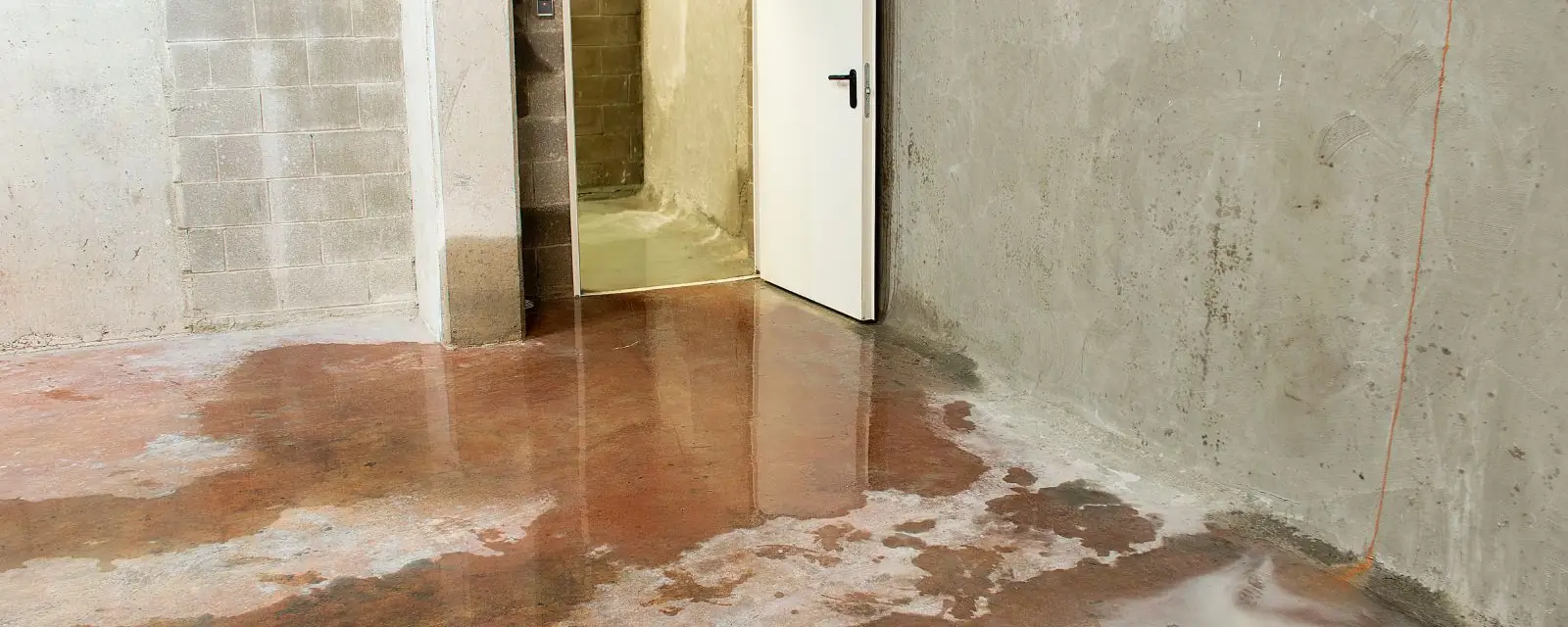
Measure humidity first, then control it
Lower levels stay dry when you know what the air is doing, so buy a small hygrometer and put it in the room. The EPA suggests keeping indoor humidity below 60 percent, and a reading that stays above that line is a signal to act. Check it on a few different days, since a lower level can read normal on a dry week and high after rain.
A hygrometer tells you whether the dehumidifier is working. It also shows whether a closet, garage or storage room behaves differently from the rest of the house.
The point is not a perfect number. The goal is a lower level that never stays damp long enough for mold to take hold. Industry practice for mold work is published in ANSI/IICRC S520.
What to do before you start
- Confirm the moisture source is fixed before any cleaning starts.
- Keep power off in a wet basement unless you can reach the panel from dry ground.
- Keep children and pets out of the area while work is under way.
- Bag removed material before carrying it through the house.
Dehumidifiers, airflow and the air conditioning
A properly sized dehumidifier with a continuous drain hose does more than one you have to empty by hand. If the tank fills and shuts off while you are away, the room goes back to humid. Run the drain line to a floor drain or a sink, and clean the filter on schedule.
Keep air moving by leaving interior doors open and not stacking furniture tight against exterior walls. Air conditioning removes moisture from the air, so a lower level that is closed off from the supply registers often runs damper than the rest of the house.
Dryer vents and bathroom fans should discharge outdoors, not into a crawl space or garage.
Outside the house: gutters, grading and window wells
Most basement water starts outside. Clean gutters twice a year and extend downspouts so water lands several feet away from the foundation. A downspout that empties against the wall sends every storm's runoff to the same spot on the foundation.
Look at the soil. It should slope away from the house, and settled soil, mulch beds or a patio that tilts back toward the wall will send water down along the foundation. Fixing grading is a landscaping or drainage contractor's job. The same check applies to lots in Keller and Hurst, where slopes vary from street to street.
Window wells need clean gravel or a drain at the bottom, a cover if possible, and a seal that is not cracked. Check them after every heavy rain.
Where moisture comes from and what to check
The table pairs the common sources of lower-level moisture with a simple check you can do yourself.
| Source | Check | Fix or next step |
|---|---|---|
| Roof runoff | Gutters free of leaves and downspouts discharging away from the wall | Clean, extend downspouts, repair loose sections |
| Soil and grading | Ground slopes away from the house for several feet | Regrade or add drainage with a qualified contractor |
| Window wells | Clear gravel, intact cover and no standing water | Clear debris, reseal, add a drain |
| Plumbing | Dry cabinets, no rust under the water heater, no damp pipes | Repair with a plumber |
| Humid indoor air | Hygrometer reading under 60 percent | Dehumidifier with a drain line |
| Storage areas | Boxes off the floor and away from exterior walls | Shelving, plastic bins, space behind items |
Water already in the lower level?
Call the 24/7 line. We explain scope and price before work starts, and the crew can begin extraction and drying.
Sump pumps, if your house has one
Not every house has a sump pump. If yours does, pour a bucket of water into the pit every few months and watch that the pump starts, empties the pit and shuts off. Listen for grinding or a pump that runs without stopping.
Confirm that the discharge pipe sends water well away from the house, and that the outlet is not clogged with leaves or frozen in winter. A pump on a single power circuit stops when the power goes out, so ask an electrician about backup if storms are a worry.
Storage habits that reduce risk
Cardboard soaks up moisture and feeds mold, so replace boxes on a damp floor with plastic bins on shelves. Leave a few inches of air between stored items and exterior walls. Keep paper, fabric and upholstered pieces in the driest part of the house. If you already see growth on stored items or walls, read about mold remediation before cleaning.
Do not leave wet towels, a wet vacuum or damp laundry in the lower level. If a washer sits there, put a drain pan under it and check the hoses on your schedule.
The quarterly walk-through
Put a repeat reminder on your calendar for the start of each season. A short walk each season finds most problems while they are still small.
- Read the hygrometer and note the number with the date.
- Clean the dehumidifier filter and check the drain line.
- Clear gutters and confirm the downspouts discharge away from the house.
- Look at window wells for debris and standing water.
- Test the sump pump, if you have one.
- Check under sinks, behind the water heater and around the washer.
- Sniff the room with the doors closed and look for new stains.
If a check turns up water, dry it fast. The water mitigation page explains how quickly the drying sequence has to start, and emergency water removal covers standing water.
North Richland Hills drainage and rainfall: why checks matter here
The city says its flood maps cover creeks and channels, and they do not show undersized drainage or poor lot grading, which can cause localized flooding outside the mapped floodplain. That means a clear map result does not tell you whether your own lot drains well.
The National Weather Service Dallas/Fort Worth 1991 to 2020 normal is 37.01 inches of precipitation a year. A lot that sheds that much water properly in a mild year may still show weak spots after a heavy storm, so walk the lot during or just after rain and see where water collects.
The city says Public Works staff will meet residents to discuss drainage problems. Use that for lot-wide questions, and call a contractor for anything on your own side of the property line.
Questions we hear from North Richland Hills homeowners
The EPA suggests keeping indoor humidity below 60 percent. A hygrometer in the room shows where yours sits.
It helps, but it does not replace fixing leaks, gutters or grading. If water is entering, the dehumidifier only masks the problem.
Every few months, and after a heavy storm. Pour water into the pit and confirm the pump starts, empties it and shuts off.
Yes, for a garage, closet or utility room. Gutters, grading, plumbing checks and humidity control matter anywhere materials stay damp.
No. The city says the maps cover creeks and channels, and they do not show undersized drainage or poor lot grading. Walk your lot during rain to see where water collects.